The Enduring Appeal of Perfect Deviled Eggs
Few appetizers command such universal adoration as the humble deviled egg. A timeless classic, it graces tables from casual game-day gatherings and potlucks to elegant holiday feasts. Its creamy, savory filling nestled in a perfectly firm egg white half is a symphony of texture and flavor, making it a perennial crowd-pleaser. Whether you prefer yours with a fiery kick, a fresh herbaceous note, or a classic, tangy-sweet profile, mastering the art of the deviled egg is a culinary skill worth perfecting. This comprehensive guide will walk you through every essential step, ensuring your deviled eggs are not just good, but absolutely unforgettable.
The Foundation: Mastering the Perfect Hard-Boiled Egg for Deviled Eggs
The secret to transcendent deviled eggs begins long before you even think about the filling: it starts with the perfectly cooked and peeled hard-boiled egg. Unlike jammy or soft-boiled eggs, which have their own delightful place in the culinary world, deviled eggs demand a yolk that is completely firm, pale yellow, and ready to be transformed into a silky-smooth mixture. Getting this right prevents rubbery whites, green-tinged yolks, and frustrating peeling struggles.
The Science of Boiling (and Steaming) for Deviled Eggs
Achieving that ideal hard-cooked egg is less about guesswork and more about a precise, scientific approach. Our preferred method for consistently perfect results involves a gentle, controlled cooking process:
- Bring Water to a Rolling Boil: Start with a pot large enough to comfortably hold your eggs in a single layer without overcrowding. Overcrowding can lead to uneven cooking and cracked shells.
- Remove from Heat: Once the water is at a full boil, remove the pot from the heat source. This stops aggressive bubbling, which can cause eggs to crack.
- Gently Lower Eggs: Using a slotted spoon, carefully lower your cold eggs into the hot water. Starting with cold eggs directly from the refrigerator helps prevent them from cracking due to sudden temperature shock.
- Cover and Steep: Immediately cover the pot with a lid. Let the eggs stand in the hot water for exactly 12 minutes. This gentle steeping ensures the yolks cook through to a firm, solid state without becoming overcooked or chalky.
Steaming as an Alternative: For those who swear by easier peeling, steaming eggs is another excellent method. Place a steamer basket in a shallow pot with about 1 inch of water. Bring the water to a simmer, then arrange large eggs in an even layer in the basket, cover, and steam over low to medium-low heat for 12 to 15 minutes. The consistent, gentle heat of steam often yields an egg that separates more readily from its shell.
The Essential Ice Bath: Stopping the Cook and Easing the Peel
Regardless of whether you boil or steam, the next step is non-negotiable: the ice bath. This critical technique serves two primary purposes for perfect deviled eggs:
- Stops Cooking Instantly: Transferring the eggs from hot water directly into an ice bath immediately halts the cooking process. This prevents the yolks from developing that unsightly greenish-gray ring (a result of sulfur and iron reacting from overcooking) and ensures the whites remain tender, not rubbery.
- Facilitates Peeling: The rapid change in temperature causes the egg's interior to contract, creating a slight gap between the cooked egg white and the shell's membrane. This makes peeling significantly easier.
Let the eggs cool in the ice bath for at least 2 to 3 minutes before peeling. For stubborn eggs, longer in the ice bath can sometimes help.
Cracking the Code: Effortless Peeling Techniques
Even with an ice bath, some eggs can be notoriously difficult to peel. Here’s a simple, effective method to minimize frustration:
- Gentle Tap: Gently tap the wide end of the egg on a hard surface, like your kitchen counter, until the shell cracks slightly.
- Gentle Roll: With light pressure, gently roll the egg across the surface of the counter, loosening the shell all around.
- Peel Under Water (Optional but Recommended): For the cleanest peel, or if you encounter stubborn shell pieces, peel the egg under a slow stream of cool running water or submerged in a bowl of water. The water helps to lubricate the process and gently lifts away any tiny membrane or shell bits that might otherwise stick to the tender egg white. This is particularly helpful for delicate deviled eggs - Article 2.
Pro Tip: Older eggs (a week or so past their purchase date) tend to peel more easily than very fresh eggs. This is because as an egg ages, its pH level changes, making the albumen less adherent to the inner shell membrane.
Crafting the Irresistible Deviled Egg Filling
With your perfectly cooked and peeled eggs ready, it's time for the culinary alchemy: transforming those firm yolks into the creamy, flavorful heart of your deviled eggs.
Separating Yolks from Whites
The first step is to carefully separate the components. Using a sharp knife, cut each hard-cooked egg in half, either lengthwise or crosswise – it’s entirely your preference. Then, gently use a small spoon to scoop out the firm, bright yellow yolks into a mixing bowl, leaving the pristine white halves ready for filling.
The Art of Mashing and Mixing
The secret to a silky, smooth deviled egg filling lies in two key principles: mash first, and don't over-mix.
- Mash the Yolks Thoroughly: Before adding any other ingredients, use a fork or a potato masher to completely break down the yolks until they are a fine, crumbly powder. This ensures there are no lumps in your final filling.
- Add the Essentials: All great deviled eggs share a common foundation. Start with a good quality mayonnaise for richness and creaminess. Next, add a touch of mustard – yellow mustard provides that classic tangy zing, while Dijon offers a more sophisticated, spicier note. A hint of acidity, like white vinegar or lemon juice, brightens the flavor, and a pinch of sugar (as seen in popular recipes) balances the tanginess beautifully. Season generously with salt and black pepper to taste.
- Incorporate Add-ins: This is where you can truly personalize your deviled eggs. A beloved recipe often includes finely diced onion and celery for a delightful crunch and fresh flavor. Paprika is a classic addition, providing a subtle smoky sweetness and a beautiful visual garnish.
- Mix Until Just Smooth: Combine all ingredients gently. Mix only until the filling is smooth and well-incorporated. Over-mixing can develop the gluten in the mayonnaise, leading to a gummy or pasty texture that diminishes the delightful creaminess. If you prefer a slightly chunky filling, stop mixing a little sooner.
Elevating Your Filling: Creative Flavor Twists
While the classic recipe is divine, the beauty of deviled eggs is their versatility. Don't be afraid to experiment!
- Spicy Sensation: A dash of hot sauce, a pinch of cayenne pepper, or finely minced jalapeños (seeds removed for less heat) can add a welcome kick.
- Herbal Freshness: Fresh dill, chives, parsley, or tarragon finely chopped and mixed in bring a vibrant, aromatic quality.
- Smoky & Savory: Crumbled crispy bacon bits, smoked paprika, capers, or a touch of Worcestershire sauce introduce layers of savory depth.
- Tangy Twist: Swap out some mayo for sour cream or Greek yogurt for a lighter, tangier profile. A spoon of sweet pickle relish is also a fantastic addition.
- Umami Boost: A tiny splash of soy sauce or a pinch of nutritional yeast can deepen the savory notes.
For more adventurous flavor profiles and advanced techniques, explore our guide in deviled eggs - Article 2.
Assembling and Presenting Your Deviled Egg Masterpiece
Once your filling is perfectly crafted, it's time to bring your deviled eggs to life.
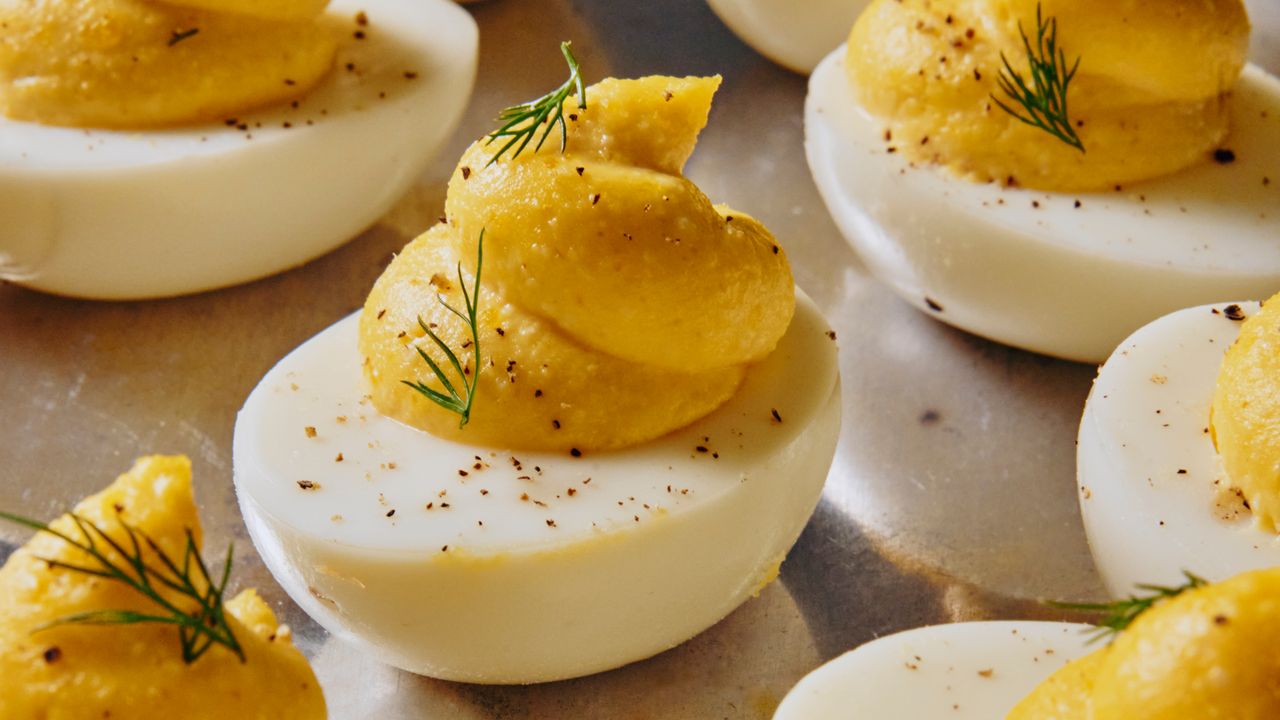
- Filling the Whites: You can simply use a small spoon to mound the filling into each egg white half. For a more elegant, professional presentation, transfer the filling to a piping bag fitted with a star tip (or even a Ziploc bag with a corner snipped off) and pipe decorative swirls into the cavities.
- Garnish for Impact: The traditional sprinkle of paprika adds both color and a subtle flavor. Beyond that, consider fresh chopped chives, a sprig of dill, a tiny curl of crispy bacon, or even a single caper for a sophisticated touch.
- Chill Before Serving: Deviled eggs taste best when chilled for at least 30 minutes (or up to a few hours) before serving. This allows the flavors to meld and ensures a refreshing bite.
- Storage: Store leftover deviled eggs in an airtight container in the refrigerator for up to 2 days. The longer they sit, the more the whites can dry out and the flavors can diminish, so fresh is always best! To dive deeper into garnishing and presentation ideas, check out deviled eggs - Article 3.
Conclusion
From the precise science of boiling an egg to the artful blend of creamy filling and creative garnishes, perfecting deviled eggs is a rewarding culinary journey. With these expert tips and techniques, you're now equipped to create this beloved appetizer with confidence, delighting friends and family at every occasion. So, gather your ingredients, follow these steps, and prepare to elevate your party snack game with the ultimate, unforgettable deviled eggs.
